
With over two decades of commercial roofing experience,
we've learned something surprising: most warranty claims that get denied
shouldn't have been denied at all. The problem isn't the warranty itself. It's
that property owners don't know what's in their warranty, and most contractors
don't take the time to explain it.
Less than 10% of commercial property owners can answer basic
questions about their roof warranty: Does it cover materials only, or
workmanship too? Who can make repairs without voiding it? Can it be transferred
when you sell? These knowledge gaps lead to expensive mistakes, like the
property owner who paid thousands of dollars out of pocket for repairs that
should have been covered, or the building whose warranty was suspended over a
single unauthorized repair.
Understanding What's Actually Covered
Commercial roof warranties aren't all the same. They come in
two distinct types, and understanding the difference between them is critical.
Material-Only Warranty
This covers manufacturing defects in the roofing membrane itself, nothing else. If the membrane deteriorates because of a bad batch from the plant, you're covered. If anything else goes wrong, you're paying out of pocket.
Total System NDL (No Dollar Limit) Warranty
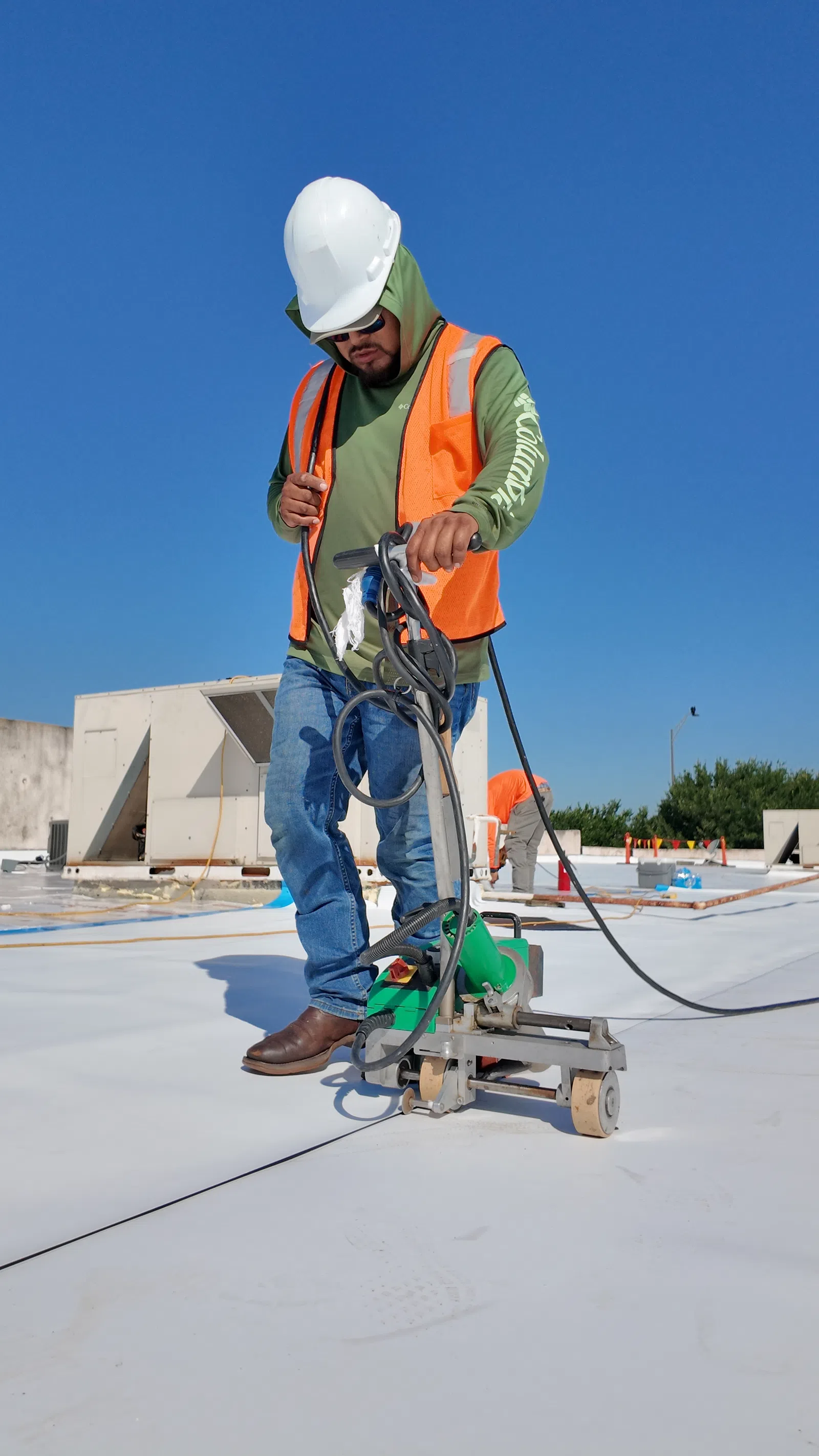
This is the comprehensive option. It covers all manufactured
roof system products plus workmanship by the installer. Here's how it works:
the contractor owns the warranty for workmanship during the first two years.
After that, the manufacturer takes over both workmanship and materials for the
duration of the warranty period, whether that's 10, 20, or 30 years.
Material-only warranties cost less upfront, which makes them
appealing. But the initial savings often disappear when property owners end up
paying out of pocket for repairs that a total system warranty would have
covered.
The Most Common and Most Expensive Mistakes
Unauthorized Contractors Void Everything
The number one reason warranties get voided is unauthorized
contractors making repairs with incompatible materials. A single unauthorized repair
can suspend coverage on your entire building. To reinstate the warranty, you'll
have to pay for corrective repairs plus manufacturer inspection fees.
The problem extends beyond roofers. When facility
maintenance teams, HVAC vendors, or plumbers make repairs to the roof
itself—even with good intentions—they can void your warranty. Using the wrong
materials, like asphalt tar on TPO roofing, causes damage and cancels your
coverage.
What makes a contractor 'authorized'? They must complete
manufacturer training, maintain proper insurance, and meet legitimacy
requirements. Any repairs to the roof itself should only be done by certified
roofing contractors. To protect your warranty, control roof access: require
anyone accessing your roof to check in with the property manager and sign a
roof log with their name and company.
Wrong Materials, Expensive Consequences
Using non-approved materials voids your warranty, even if
they're quality products. Common example: welding PVC to TPO or using the wrong
TPO product. These incompatible materials react slowly over time, and your
$600-$800 repair looks fine initially but fails within months. Manufacturers
only warranty their engineered product combinations because anything else
introduces uncontrollable variables.
The Costly Warranty Transfer Nobody Did
Commercial roof warranties are transferable when you sell a
property, but most people don't know this, and the consequences are costly. We
worked with an apartment complex where the warranty was never transferred
during the sale. When the new owner eventually needed it, they had to pay for a
manufacturer's inspection, complete all identified repairs, and cover the
transfer fee. These were costs the seller could have handled if addressed
during negotiations.
The transfer process typically costs $1,000-$2,500 in
inspection fees, and some manufacturers allow one free transfer before
charging. When you request a transfer, the manufacturer thoroughly inspects and
requires all repairs to be completed before transferring the warranty.
During due diligence, buyers should ask whether the roof
system is under warranty, who the manufacturer is, and if any maintenance has
been performed by non-certified contractors.
Missing Inspections and Documentation
While manufacturers don't require you to submit annual maintenance reports, they strongly recommend routine inspections. That documentation becomes critical when distinguishing between storm damage and pre-existing conditions. Clear maintenance logs, annual inspections, and time-stamped photos prove what existed before a storm hit.
We've shown insurance adjusters photographs taken before
hail season with undamaged metal surfaces, then photos of the same surfaces
after a storm. The documentation proved that the damage was new and covered.
If you've skipped a year or more of inspections and need
warranty work, you will want to identify your roofing manufacturer and hire a
certified contractor to inspect the roof. Have them engage the manufacturer if
major issues exist. As long as there are no significant defects, you should be
fine, but document everything going forward.
What Property Owners Don't Realize They're Paying For
Here's a warranty truth most people miss: property owners
frequently pay roofers thousands of dollars for repairs that manufacturers
should be covering.
If you have a leak on a roof with a 20-year warranty and
you're only five years in, and you don't know to file a warranty claim, and a
roofer quotes you $1,800 to fix it, you'll pay it. The manufacturer could have
covered some or all of that cost.
This is why understanding your warranty isn't just about
avoiding mistakes; it's about using the protection you already paid for.
Registration Failures
Warranty registration is the contractor's responsibility,
not the property owners. However, if the contractor fails to register properly,
errors or delays can create serious warranty problems down the road.
Information must be entered precisely, and timing matters. Inaccurate details
about your roof system or missed inspection windows can jeopardize your
coverage when you need it most.
At Mattco, our project management team tracks warranty registration as a critical deliverable. We contact manufacturers before project completion to ensure inspections happen immediately without delays. We provide complete warranty documentation to every client, digitally or in physical booklets for large projects, and retain all records long-term.
If you've made any of these mistakes, don't panic. Start by identifying your roof's manufacturer. Hire a certified roofing contractor to assess your situation and professionally engage the manufacturer if needed. Most issues can be resolved, though it may involve inspection fees and required repairs.
If you're buying a property, make roof warranty verification part of your due diligence. Don't rely solely on building inspectors; they're trying to assess every construction trade at once.
Many won't even access the roof due to liability concerns.
Hire a specialized roofing contractor for a proper inspection.
Most importantly, start annual roof inspections and
documentation now. It's like maintaining your vehicle; routine care prevents
expensive failures and keeps your warranty protection intact.
Ready to protect your warranty investment? Contact Mattco for a comprehensive roof inspection. We'll verify your coverage, ensure proper documentation, and help you avoid the costly mistakes that catch most property owners by surprise.